Aramid Fiber
Aramid Fiber Materials for Composite Manufacturing
High-performance aramid fiber materials designed to provide excellent tensile strength, impact resistance, abrasion resistance, and lightweight reinforcement for advanced composite manufacturing.
Aramid fibers are widely used where high strength-to-weight ratio, toughness, vibration resistance, and reliable mechanical performance are required. Their low density and excellent impact absorption make them suitable for composite structures and protective applications where weight reduction and durability are important.
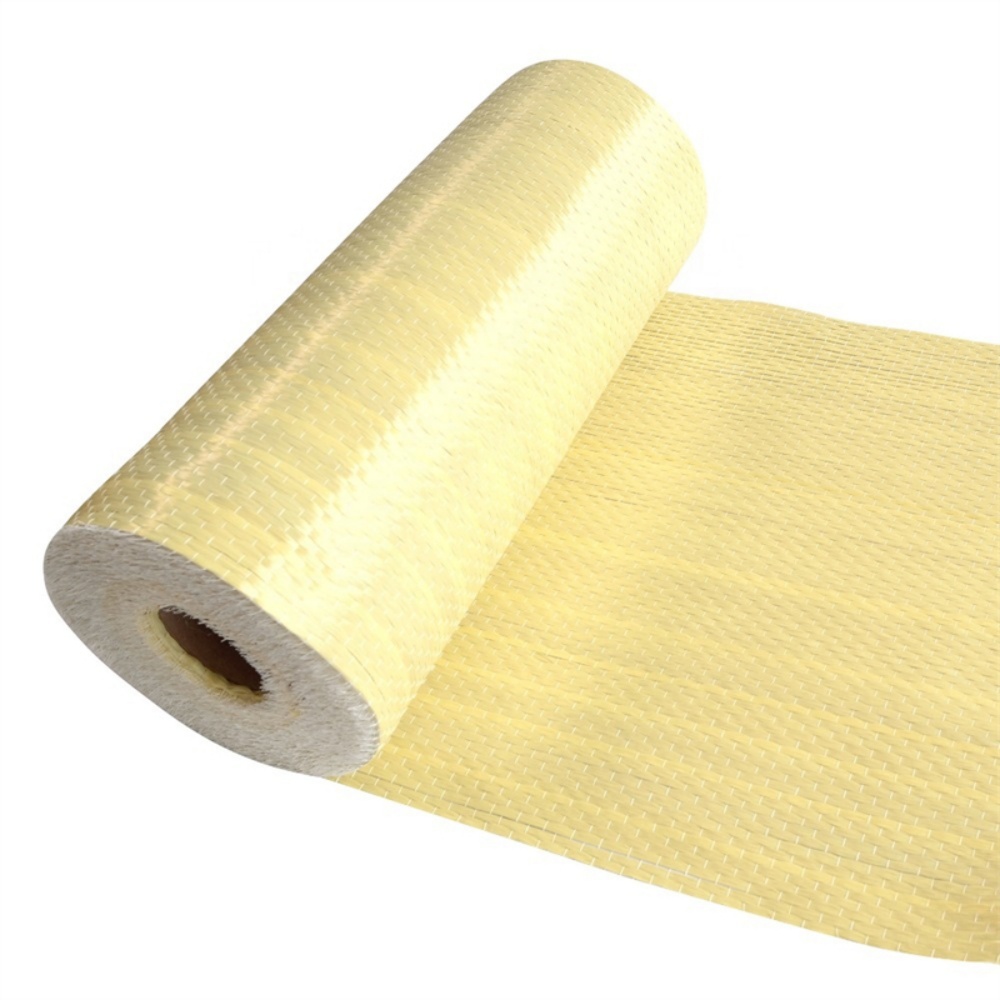
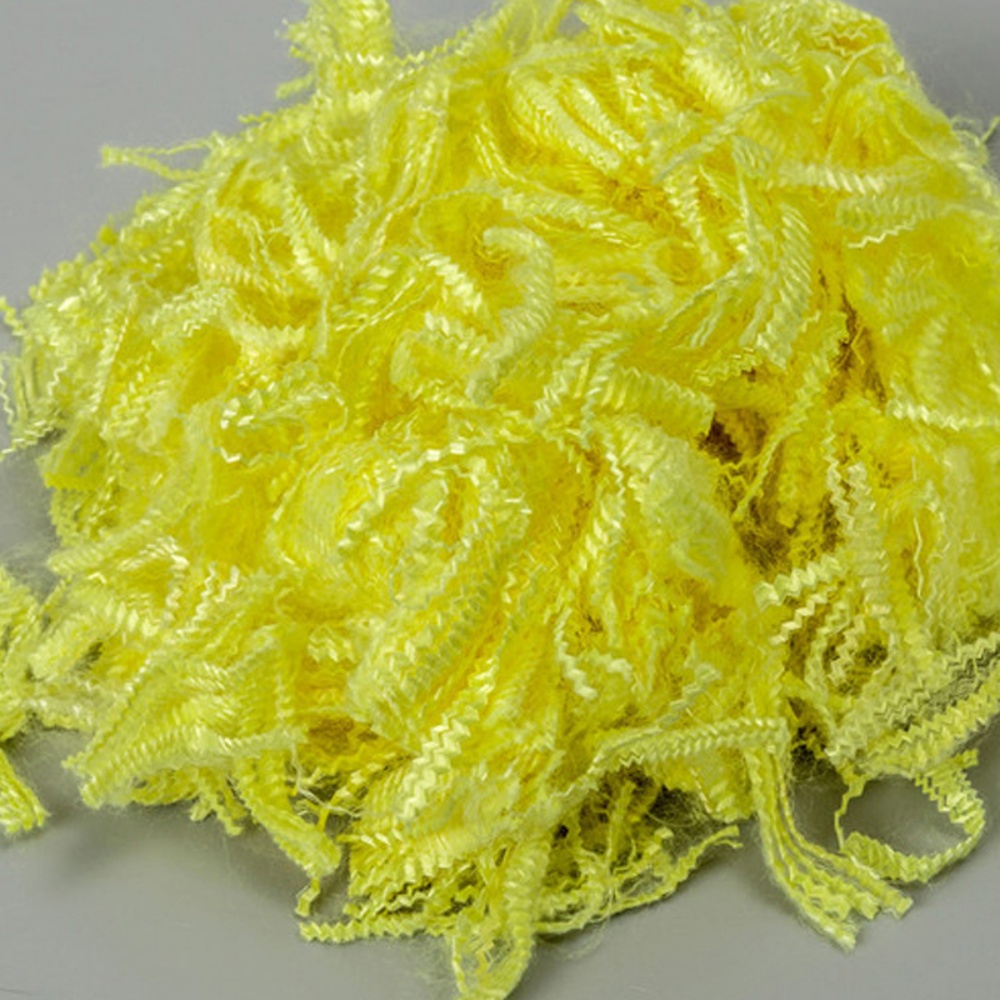
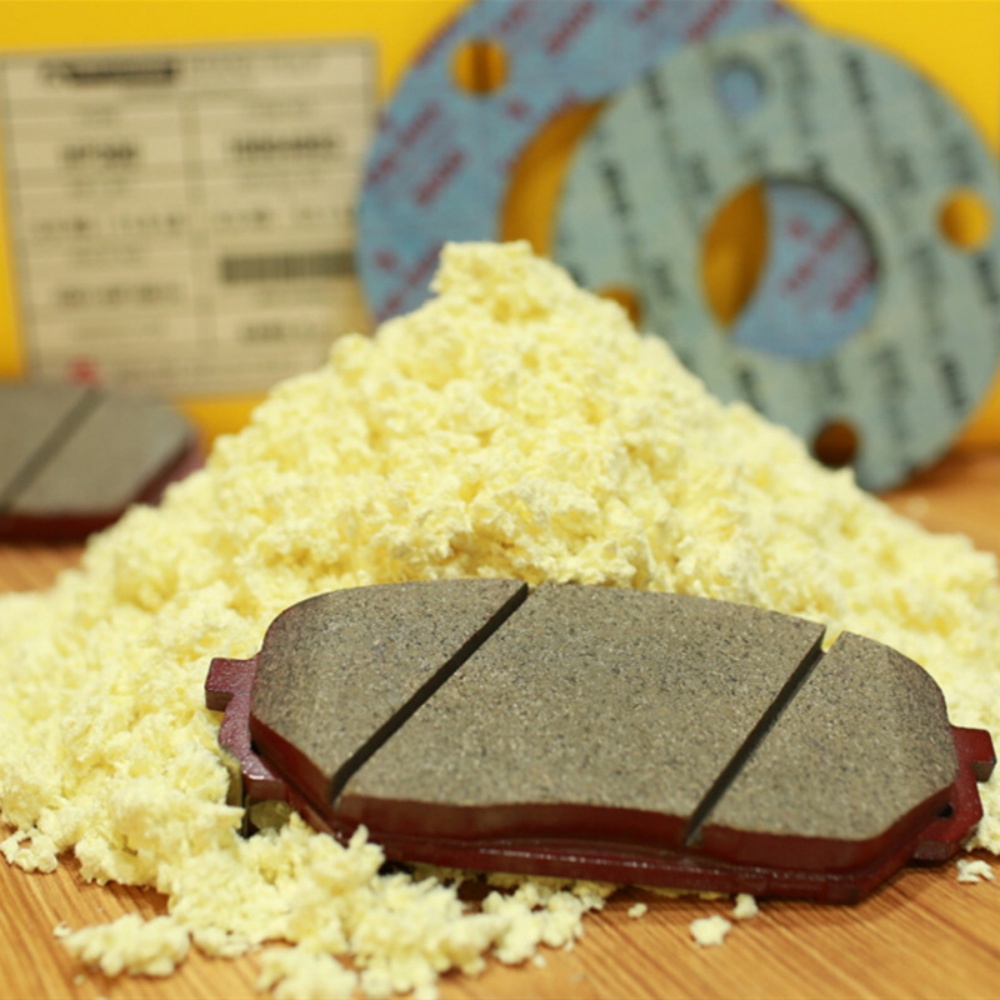
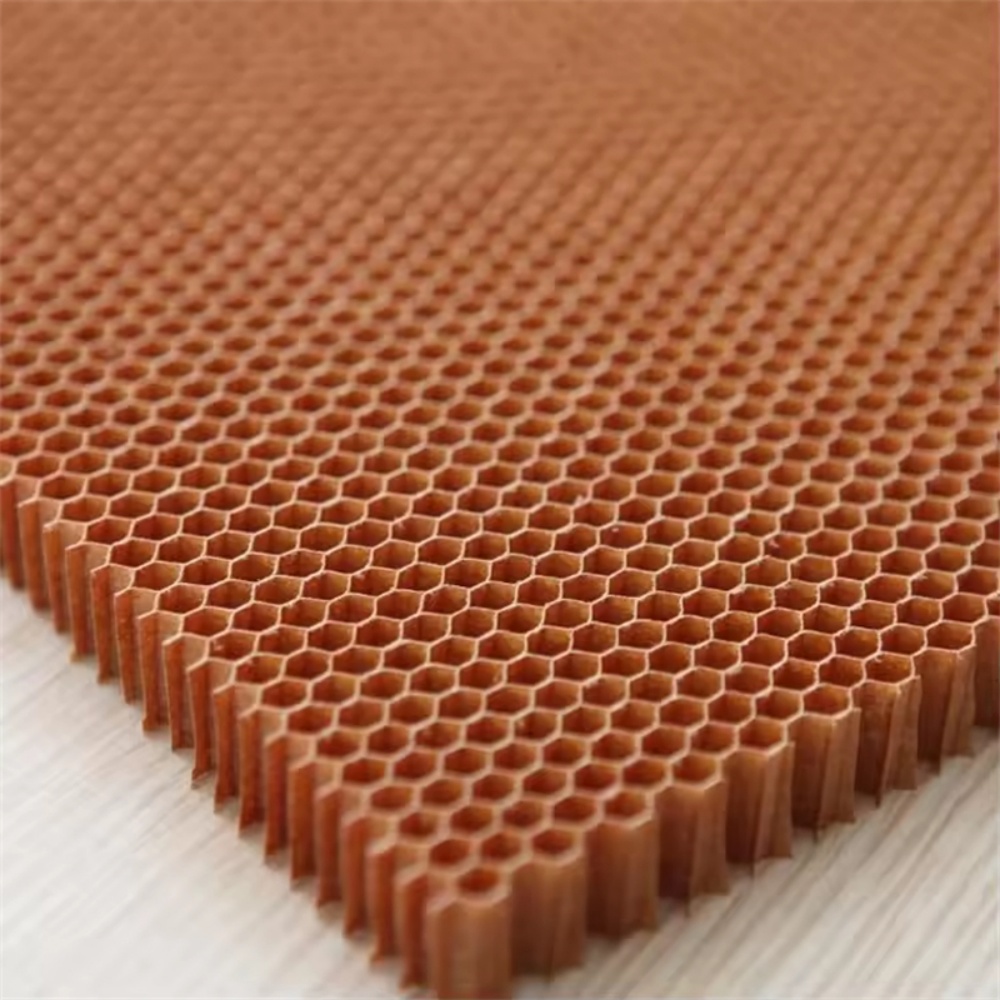
Our aramid fiber range covers different fiber forms, grades, filament counts, and reinforcement structures for composite manufacturing and industrial applications. Depending on the product form, aramid fiber materials can be incorporated into woven fabrics, unidirectional reinforcements, hybrid fabrics, yarns, and other composite reinforcement systems.
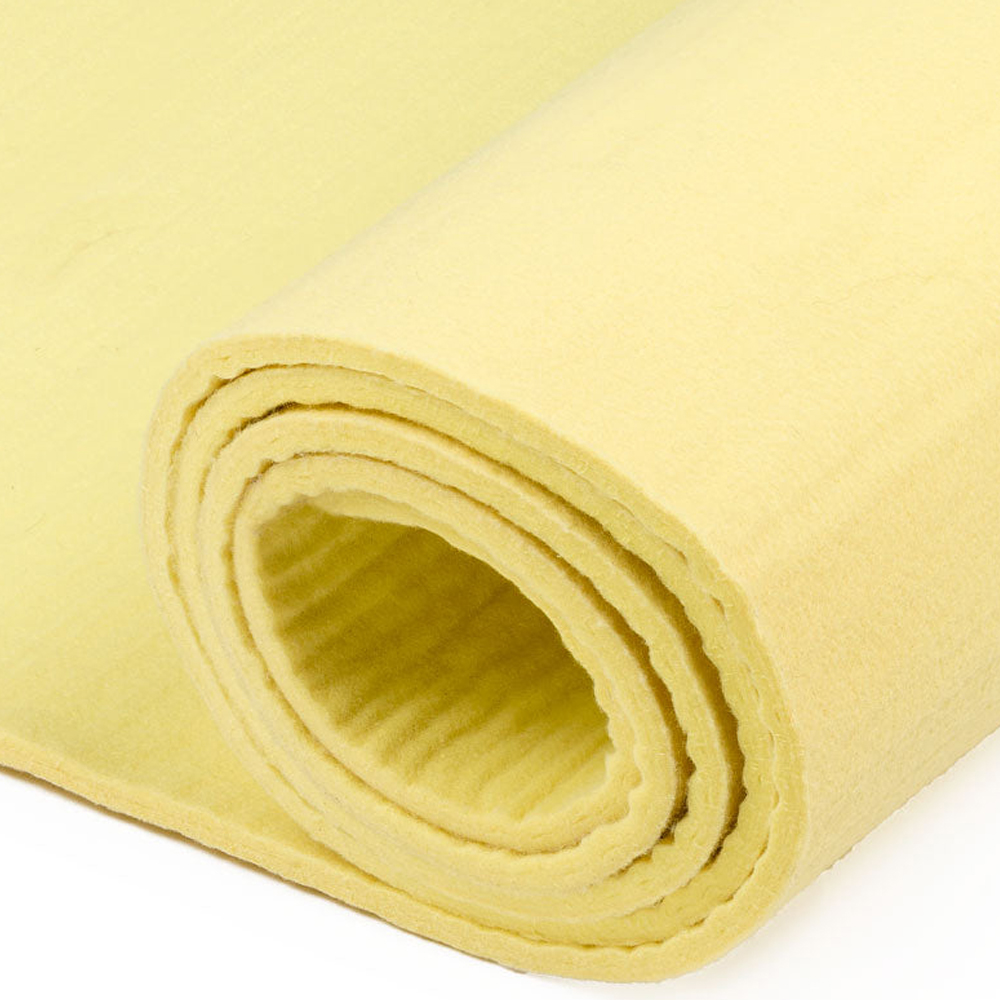
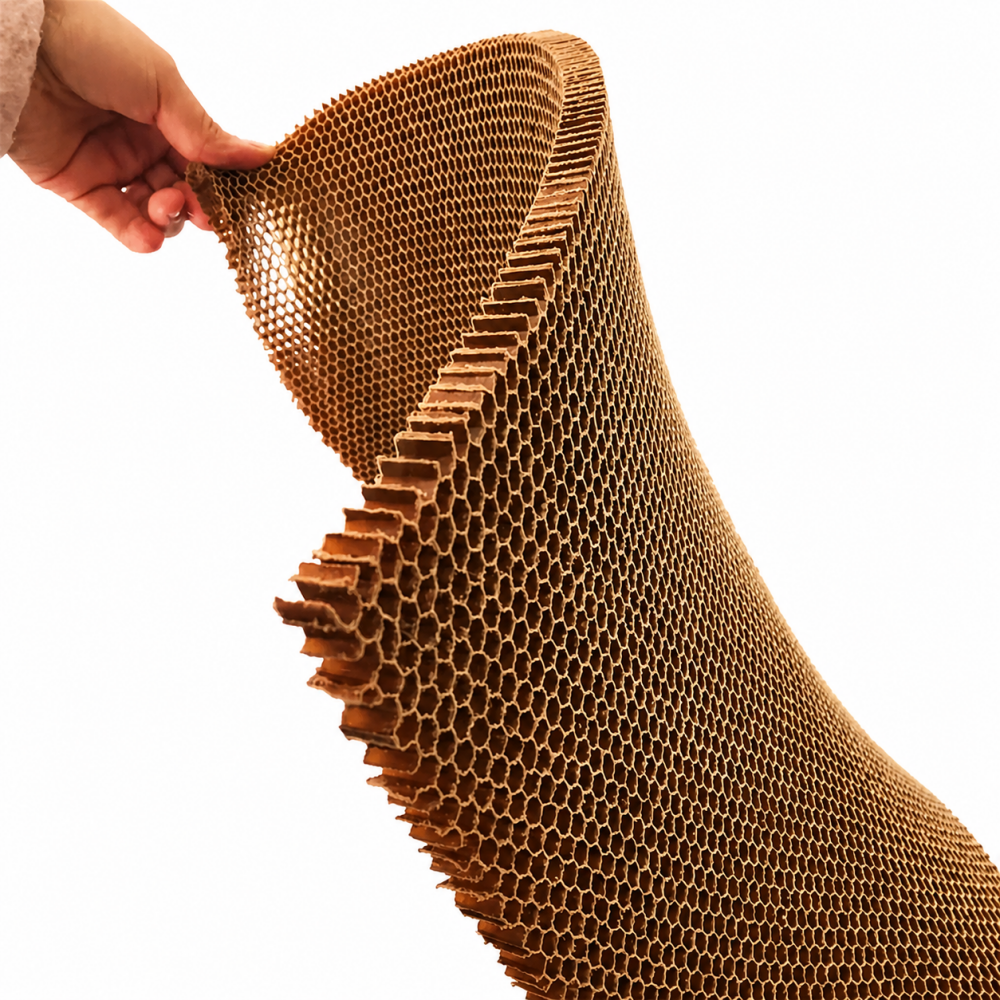
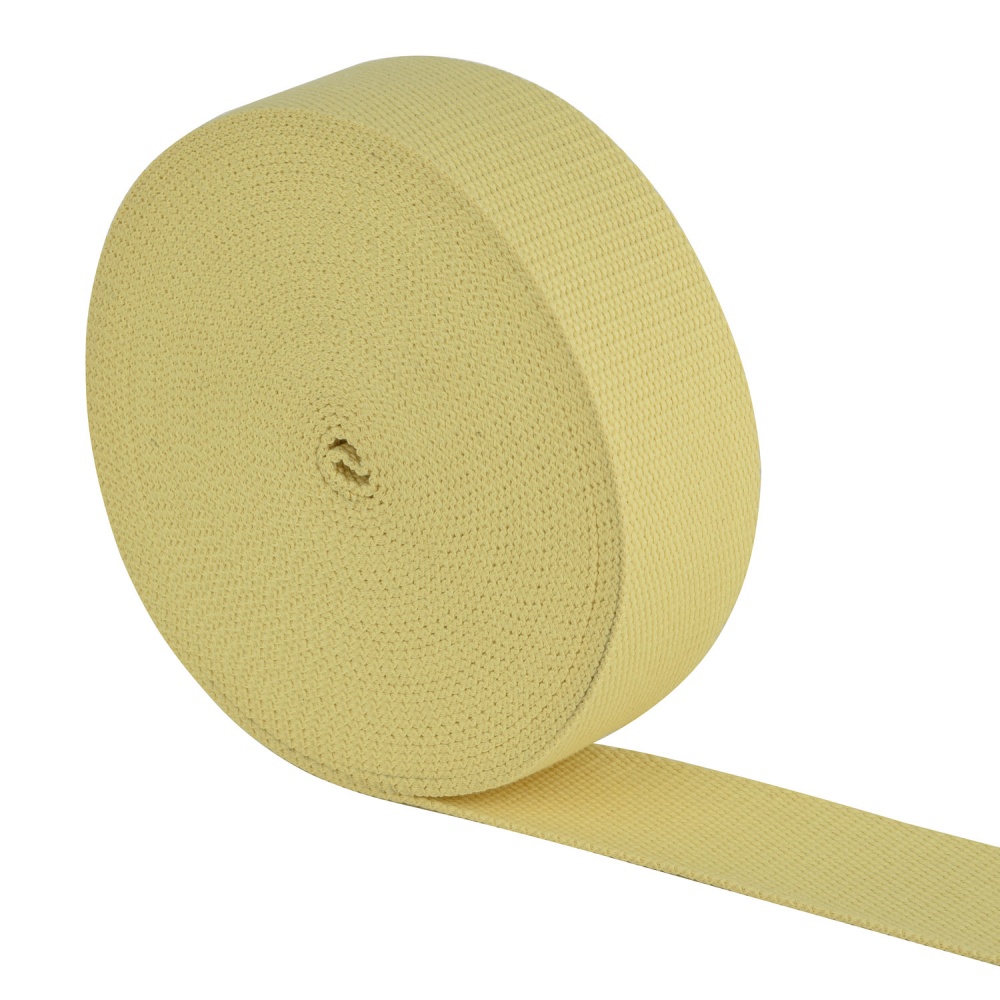
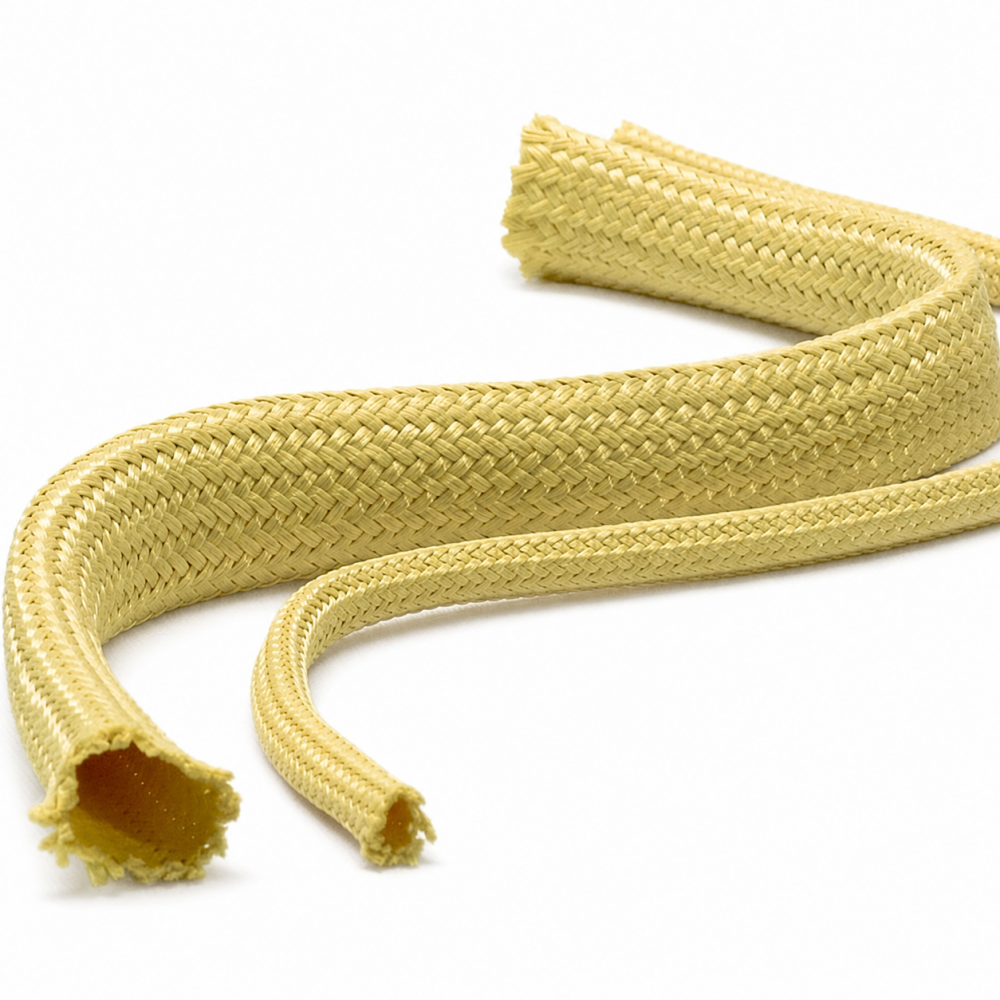
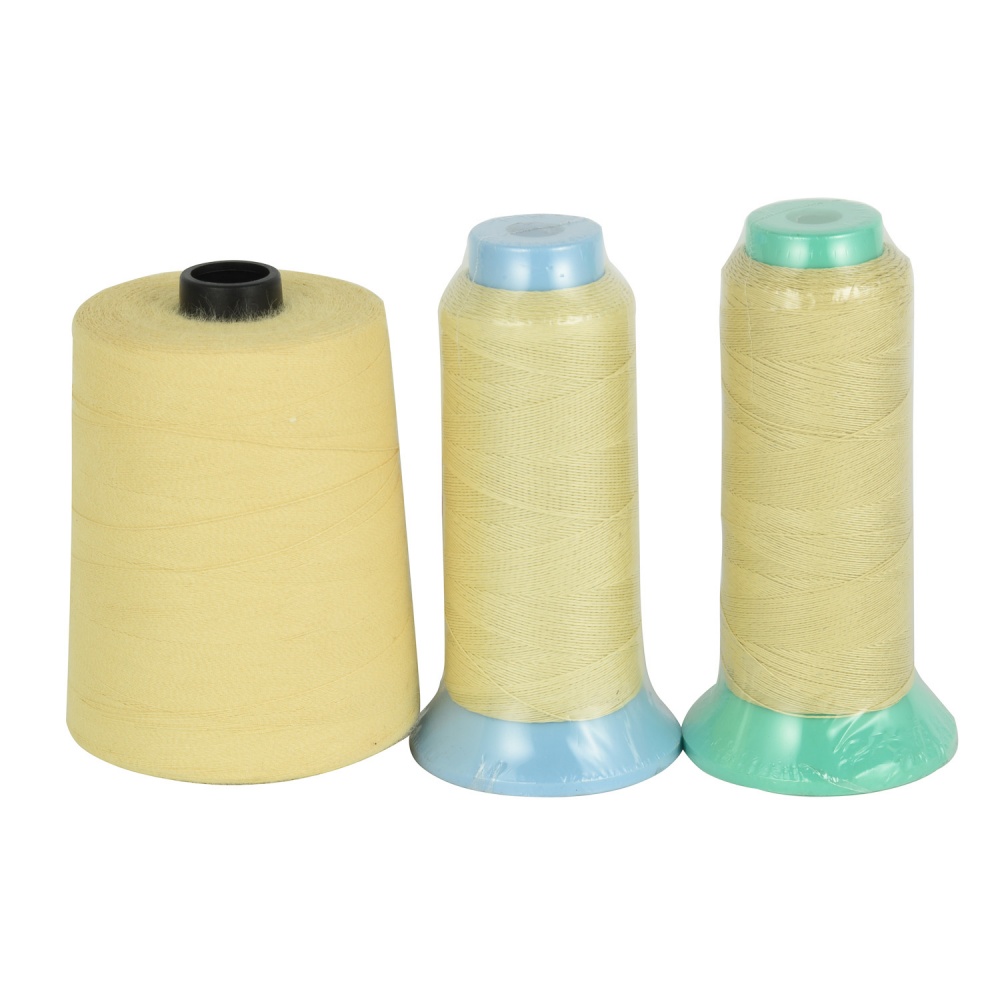
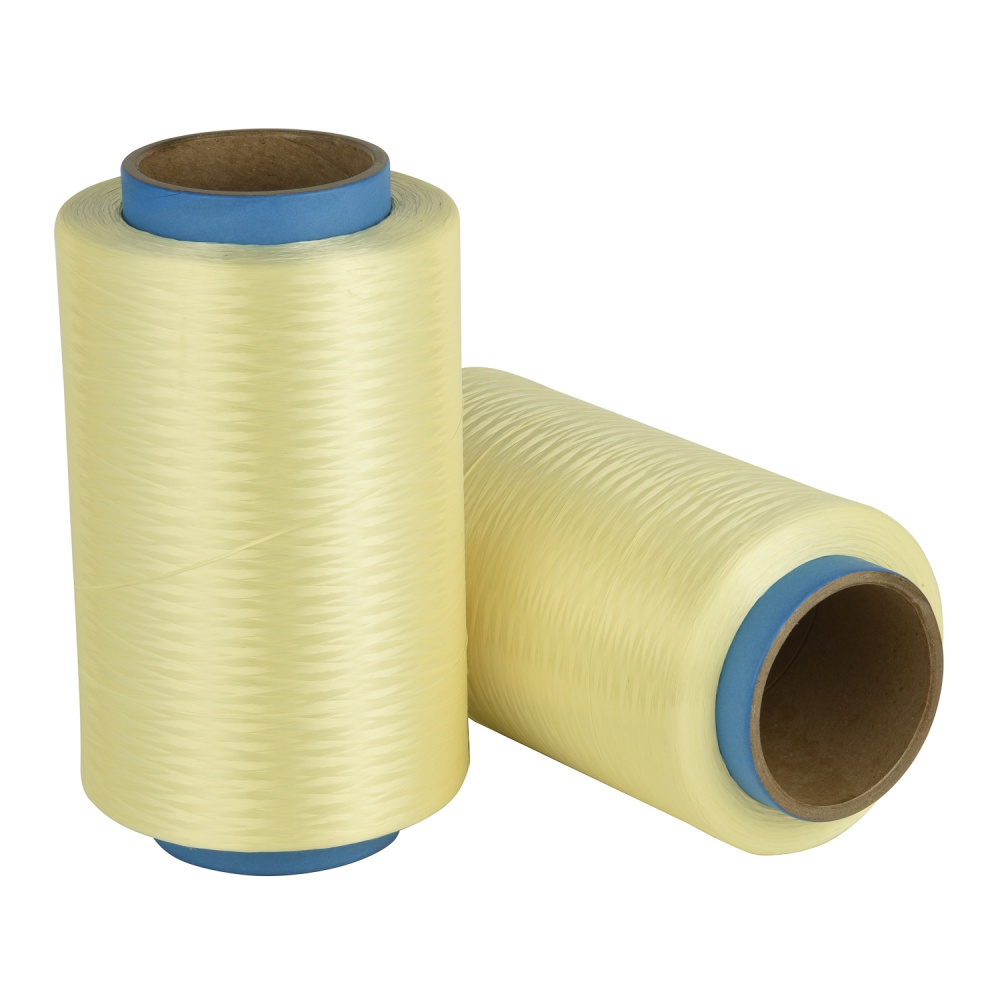
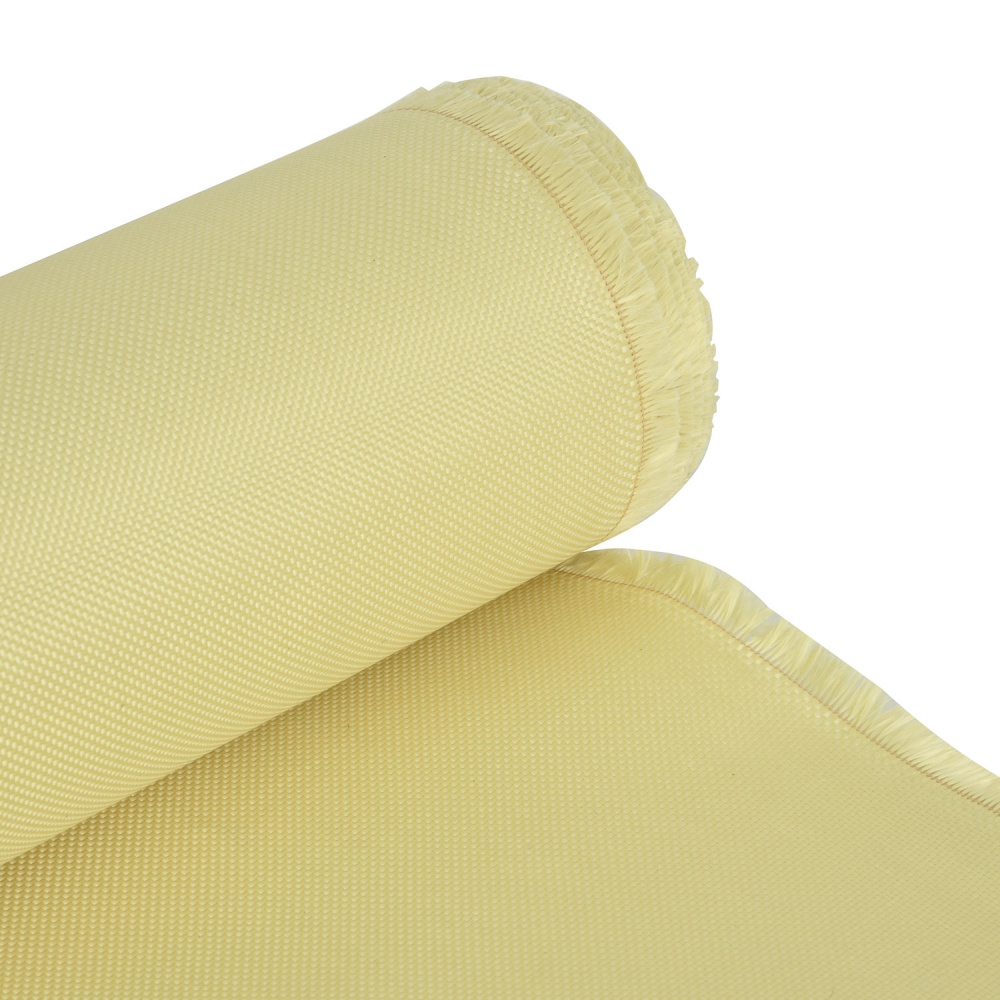
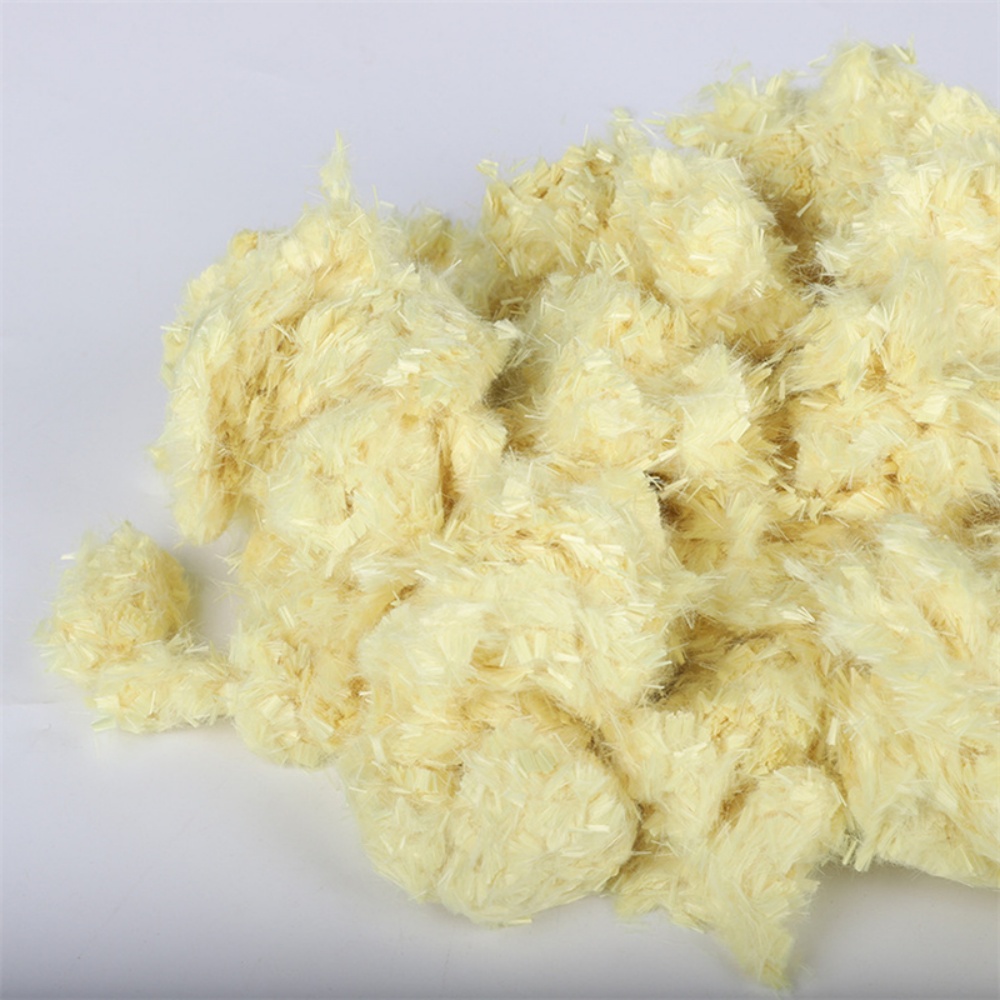
Aramid Fiber Reinforcement for Lightweight and Impact-Resistant Composites
Our Aramid Fiber portfolio provides high-performance reinforcement materials for composite manufacturers, fabricators, distributors, and engineering companies. The range includes aramid fiber yarn and filament, woven aramid fabrics, unidirectional aramid reinforcement, hybrid fiber fabrics, and other aramid fiber-based composite materials.
Aramid fiber is known for its high tensile strength, excellent toughness, impact resistance, abrasion resistance, and low density. These characteristics make it particularly suitable for lightweight composite structures exposed to impact, vibration, repeated loading, and demanding mechanical conditions.
Aramid fiber reinforcement can be combined with thermoset or thermoplastic resin systems and processed through manufacturing methods such as hand lay-up, vacuum infusion, resin transfer molding, compression molding, pultrusion, and other composite fabrication processes, depending on the product construction.
Aramid fiber materials are used in applications where impact resistance and weight reduction are critical, including aerospace components, automotive parts, marine structures, sporting goods, ballistic and protective equipment, drones and UAVs, industrial equipment, transportation, and infrastructure applications.
Aramid fibers can also be combined with carbon fiber or glass fiber to create hybrid composite reinforcements that balance stiffness, impact resistance, weight, and cost according to specific structural requirements.